Start collecting Pokemon cards in 2026
 Edouard GamelinJune 15, 2026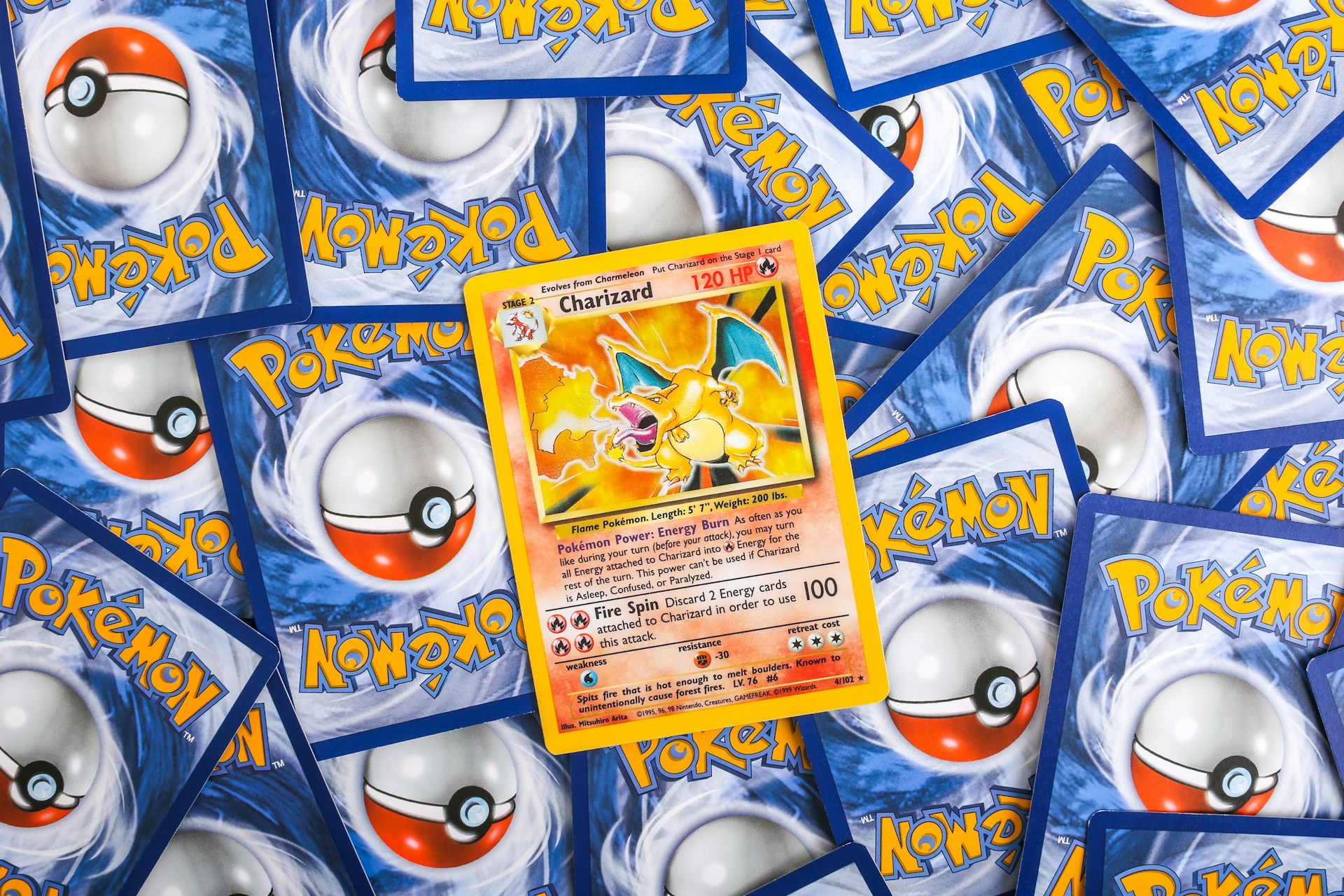
Why People Are Getting Into Pokémon Cards Right Now
If you've noticed more people talking about Pokémon cards lately, you're not imagining it. The hobby never really went away, but it's having another moment — and it's worth understanding why before you dive in.
Part of it is nostalgia. A lot of people who grew up opening packs in the late 90s and early 2000s now have disposable income, and reconnecting with something from childhood is a powerful pull. Part of it is newer collectors discovering the hobby for the first time, often through social media, where unboxing videos and "hit" reveals are endlessly watchable.
There's also a financial angle that's impossible to ignore. Certain cards have appreciated significantly over the years, and stories about rare pulls selling for large sums get attention — sometimes more attention than they deserve. It's worth being honest here: most cards are not investments, and treating your collection primarily as a financial play is a fast way to get disappointed.
What's different in 2026 is that the hobby has matured. Grading services are more established, pricing data is more transparent, and there's a much larger community of collectors sharing information than there was a decade ago. That's good news for beginners — it's easier than ever to learn the basics, avoid common scams, and find your footing.
The honest reason to get into Pokémon cards in 2026 is the same reason it's always been worth it: it's fun. Whether you're chasing a specific set, building a collection around your favorite Pokémon, or just enjoying the process of opening packs, the hobby rewards patience and curiosity more than it rewards trying to time the market.
That said, getting started without some basic knowledge can be expensive and frustrating. So before you buy anything, let's cover what you actually need to know.
First, Decide What Kind of Collector You Want to Be
This is the section most guides skip, and it's probably the most important one.
Before you buy a single card, it helps to be honest with yourself about why you're doing this — because the answer changes almost everything about how you should approach the hobby.
The Player
If you're collecting because you want to play the Pokémon Trading Card Game, your priorities are different from everyone else's. You care about specific cards that work well in competitive decks, and condition matters less to you — a slightly worn card still draws the same cards from your deck. Buy singles from sets that are currently legal for tournament play, and don't waste money on cards just because they're old or rare if they don't help you win games.
The Collector
This is probably most people reading this. You're drawn to specific Pokémon, specific sets, specific art styles — collecting for the joy of completing something or owning cards that mean something to you. If this is you, condition starts to matter more, but not obsessively. A collection you enjoy looking at is more valuable to you than one that's technically "investment grade" but feels like a chore to maintain.
The Investor
Some people get into Pokémon cards purely as a financial play — buying sealed product or graded cards with the expectation they'll appreciate. Here's the honest truth: this is a much harder game than it looks from the outside. Prices are volatile, liquidity can be poor (it's not always easy to sell quickly at the price you want), and the market has been flooded with new collectors entering for the same reason, which doesn't always end well for latecomers. If this is your primary motivation, treat it the way you'd treat any speculative investment — don't put in money you can't afford to lose, and do real research beyond "this card went up before."
Most People Are a Mix
In reality, most collectors land somewhere in between — maybe you started buying packs for fun and now you've got a few cards worth keeping an eye on, or you play casually but also have a soft spot for collecting certain sets. That's completely normal. The goal of figuring out your "type" isn't to box yourself in — it's to help you make better decisions about where to spend your money and time, especially early on when it's easy to get distracted by what's trending rather than what you actually care about.
Understanding the Basics: Sets, Rarities, and Card Numbers
One of the most confusing things for new collectors is the sheer amount of jargon thrown around — "4/102", "holo", "EX", "VSTAR", "secret rare". It can feel like everyone else is speaking a different language. The good news is that once it clicks, it clicks for good.
Sets
Pokémon cards are released in "sets" — a collection of cards released together, usually tied to a specific theme or expansion of the game. Each set has a name (like "Base Set," "Obsidian Flames," or "Twilight Masquerade") and contains a fixed number of cards. Sets are released regularly — multiple times a year — and each one has its own checklist, its own standout cards, and often its own visual theme.
Knowing which set a card belongs to matters because it affects everything: how rare it is, how much it's worth, and whether other collectors are actively looking for it.
Card Numbers
You'll often see cards referred to like "Charizard 4/102." That number is the card's position within its set — in this case, the 4th card out of 102 total cards in that set. This number is printed on the card itself, usually in the bottom corner, and it's how collectors and sellers identify exactly which version of a card they're talking about. The same Pokémon can appear multiple times across different sets, so the card number (combined with the set name) is what pins down exactly which one you mean.
Rarities
Rarity symbols are usually printed near the card number, and they tell you how common or uncommon a card is within its set:
A circle typically means common
A diamond means uncommon
A star means rare
From there, things get more layered — "holo rare" cards have a shiny, textured foil pattern. Beyond that, modern sets introduce special rarity tiers like "Ultra Rare," "Secret Rare," or specific mechanics like "VSTAR" and "ex" cards, which usually mean the card has alternate artwork, foil treatment, or is simply printed less frequently within the set.
Here's the honest truth: rarity doesn't always equal value. Some "common" cards from older sets are worth more than "rare" cards from newer ones, because value comes down to demand and scarcity — not just the label printed on the card. Don't assume a card is valuable just because it has a fancy rarity symbol, and don't assume a "common" card is worthless just because of how it's labeled.
Why This Matters Before You Buy Anything
Once you understand sets, numbers, and rarities, you'll be able to look up any card with confidence — searching for "Charizard ex 199/197 Obsidian Flames" will get you exactly the card you're thinking of, rather than a confusing mix of similar-but-different versions. This small bit of literacy will save you from a lot of beginner confusion (and a lot of accidental purchases of the wrong card).
Where to Buy Your First Cards
This is where a lot of beginners either get a great start or make an expensive mistake — so it's worth slowing down here.
Sealed Product (Packs, Boxes, Bundles)
Buying sealed packs or booster boxes is the classic way to start, and there's a genuine appeal to it — the excitement of not knowing what you'll get is part of the fun. But it's worth being clear-eyed about the math: the average value of cards in a pack is almost always less than what you paid for it. You're paying for the experience, not getting a deal. If opening packs is fun for you, that's a perfectly good reason to do it — just don't go in expecting to "win."
Singles (Individual Cards)
If you know specific cards you want — maybe a particular Pokémon, or a card you need to complete a set — buying singles is usually far more cost-effective than hoping to pull them from packs. This is where most experienced collectors spend most of their money once they move past the "ripping packs" phase.
Where to Actually Buy
Official retailers (big box stores, Pokémon Center) — reliable for sealed product, but stock can be limited and prices are fixed at MSRP, which sounds good until you realize popular sets sell out almost instantly.
Local card shops — often slightly higher prices than online, but you get to see what you're buying, build a relationship with people who know the hobby, and avoid shipping costs and wait times. Don't underestimate this option, especially as a beginner — a good local shop owner can save you from a lot of mistakes.
Online marketplaces (TCGPlayer, Cardmarket, eBay) — the best place for singles, with the widest selection and competitive pricing. The tradeoff is you're trusting photos and seller descriptions, so reputation and return policies matter.
Facebook Marketplace / local classifieds — can have good deals, but this is also where fakes and misrepresented cards are most common. Approach with caution, especially early on when you don't yet have a feel for what a real card looks and feels like.
A Word on Markup
Once a set sells out at retail — which often happens within days for popular releases — prices on the secondary market go up, sometimes significantly. This is normal, and it's not a sign you're getting ripped off; it's just supply and demand. If you missed a release at retail price, you have two options: pay the markup, or wait for the next set. Neither is wrong, but it's good to know this is coming so you're not caught off guard.
The Honest Recommendation for Beginners
Start small. Buy a few packs if you want the experience, but don't go all-in on sealed product hoping to pull something valuable. If there's a specific card or set you're excited about, look up the singles price first — you'll often get exactly what you want for less than the cost of gambling on packs.
The One Skill Every New Collector Needs: Spotting Fakes
This isn't meant to scare you off — most cards you'll come across are completely genuine, especially from reputable sellers. But fake Pokémon cards are common enough, particularly on marketplaces like Facebook or eBay, that learning to spot them early will save you money and disappointment.
The Texture Test
Genuine Pokémon cards have a distinctive texture. The card stock has a slight roughness to it — almost a fine grain — and holo cards have a specific foil pattern that catches light in a particular way. Fakes often feel too smooth, too glossy, or oddly light. If you have any genuine card to compare against (even a cheap common), the texture difference becomes obvious fast.
Check the Back of the Card
The back of every authentic Pokémon card is identical — same blue color, same Pokéball logo, same border. Fakes often get the shade of blue slightly wrong, or the logo looks blurry or off-center. This is one of the easiest checks because it doesn't require knowing anything about the specific card — you're just comparing it to any other genuine card you've seen.
Font and Color Details
Fake cards often get small details wrong — fonts that are slightly too bold or too thin, colors that are a shade off, or text that's positioned slightly differently than it should be. If something looks "almost right but not quite," trust that instinct.
The Light Test
Hold the card up to a light source. Genuine cards have a thin black layer in the middle of the card stock — this is part of what gives them their weight and rigidity. If you can see light shining through the card, especially around the edges, that's a strong sign it's fake.
If You're Buying Online
Stick to sellers with established reputations and reviews, especially when starting out
Be wary of prices that seem too good to be true — if a card is listed well below its typical market value, there's usually a reason
Ask for additional photos if listing photos are low quality or don't show the back of the card
Platforms like TCGPlayer and Cardmarket have seller protections that informal marketplaces don't
The Honest Truth
Even experienced collectors occasionally get fooled — fakes have gotten more sophisticated over the years, and some are genuinely hard to spot without specific tools. The goal isn't to become paranoid about every card you buy. It's to build enough familiarity that obvious fakes don't catch you off guard, and to buy from sources where you have recourse if something's wrong.
The best way to build this familiarity, honestly, is just handling genuine cards. The more real cards you hold, the more an off one will feel wrong in your hands — even before you consciously know why.
How to Store Your Collection Properly (Without Overspending)
Once you've got a few cards worth keeping, storage becomes important — both to protect your cards and, honestly, because a well-organized collection is just more enjoyable to own. The good news is you don't need to spend a lot to do this properly. The bad news is it's easy to either underspend (and damage cards) or overspend (on stuff you don't need yet).
The Basics: Sleeves
Every card worth keeping should go in a sleeve — a thin plastic cover that protects against scratches, fingerprints, and general wear. These are cheap, sold in bulk, and there's really no reason not to use them for anything beyond bulk commons you don't care about. If you're buying singles, sleeve them the moment they arrive, before they sit around on a desk getting dusty or scuffed.
For Your Best Cards: Toploaders
Toploaders are rigid plastic holders that go over a sleeved card, protecting it from bending. If you have cards you actually care about — anything from a few dollars up to your most prized pulls — a toploader is worth it. They're inexpensive individually, and the protection-to-cost ratio is hard to beat. A bent corner can meaningfully affect a card's condition and value, and toploaders are the simplest way to prevent that.
For Building a Collection: Binders
If you're collecting by set, by Pokémon, or just building a general collection you want to look at and show off, a binder with card-specific pages is the way to go. Look for binders with side-loading pages rather than top-loading — side-loading reduces the risk of cards slipping out and getting damaged. This is also where the "showcase" side of collecting really comes alive — a well-organized binder is satisfying in a way that a shoebox of loose cards just isn't.
What About Graded Cards?
If you've had cards graded (more on this in the next section), they come in their own sealed plastic cases and don't need additional sleeves or toploaders — just handle them carefully, since the cases, while sturdy, aren't indestructible if dropped.
What You Actually Need to Start
Here's the honest beginner kit, roughly in order of priority:
Penny sleeves — cheap, buy a pack of 100+, sleeve everything
A pack of toploaders — for anything you'd be upset to see bent
A binder with side-loading pages — once you have enough cards worth displaying
You don't need a humidity-controlled safe or a dedicated storage room as a beginner. Start with these basics, and upgrade your storage as your collection — and your sense of what you actually care about — grows.
A Quick Note on Long-Term Storage
Avoid storing cards in direct sunlight (it fades the print over time), in places with humidity swings (basements, garages), or stacked under heavy objects. None of this requires special equipment — just basic common sense about where you keep things.
Should You Get Cards Graded? A Realistic Take
Grading is one of those topics that generates a lot of excitement online — and a lot of misplaced expectations for beginners. Here's the honest version.
What Grading Actually Is
Grading is when a third-party company (PSA, BGS, and CGC are the major names) examines a card and assigns it a numerical grade — usually on a 1-10 scale — based on its condition: centering, corners, edges, and surface. The card is then sealed in a protective case with the grade displayed. A "PSA 10" means the card is in essentially perfect condition according to their standards.
Why People Grade Cards
Two main reasons: protection and value. A graded card is sealed and protected from damage, and for certain cards — especially older, rarer, or high-demand ones — a high grade can significantly increase what someone's willing to pay, sometimes far beyond the cost of grading itself.
Why Grading Often Doesn't Make Sense for Beginners
Here's the part most enthusiastic YouTube videos won't tell you clearly: grading costs money — submission fees, shipping both ways, and often a wait time of weeks to months depending on the service and how busy they are. For this to make financial sense, the card needs to be valuable enough, and likely to grade high enough, that the increase in value covers those costs with room to spare.
For most cards — especially common cards, recent releases, or cards in anything less than excellent condition — grading costs more than it adds in value. Sending a $5 card off for grading and getting it back in a $25 case doesn't make the card worth more; it just means you spent $20 on a case.
When Grading Does Make Sense
The card is genuinely rare or in high demand, and you believe it's in near-perfect condition
You're grading for personal reasons — wanting your prized card protected and "certified" for sentimental value, regardless of the financial math
You're grading multiple cards together to take advantage of bulk submission discounts, which can improve the economics
A Beginner-Friendly Approach
If you're just starting out, don't rush to grade anything. Set cards aside that you think might be worth it — anything that looks genuinely mint, from a set or Pokémon with real demand — and revisit the question once you've got more experience and a better feel for what's actually valuable. Grading isn't going anywhere, and a card that's worth grading today will usually still be worth grading in a year.
The Honest Bottom Line
Grading is a tool, not a requirement. Plenty of collectors never grade a single card and have collections they're proud of. If you do decide to grade something, treat it as a considered decision for a specific card — not a default step for everything you own.
Tracking What You Own (And Why Most People Give Up on Spreadsheets)
At some point — usually faster than you'd expect — you'll lose track of what you actually own. Maybe you bought a card you already had. Maybe you can't remember if you need that one Charizard to complete a set, or if you've already got it sitting in a binder somewhere. This is the point where most collectors start looking for a way to keep track of their collection.
The Spreadsheet Phase
Almost everyone starts here, and there's nothing wrong with it — a simple spreadsheet with card name, set, condition, and maybe a price you paid can work fine for a small collection. The problem is that spreadsheets don't scale well with this hobby specifically. Card values change constantly, so a price you entered six months ago is now wrong. Looking up current prices for dozens or hundreds of cards manually becomes a chore nobody actually does consistently. And spreadsheets don't tell you what you're missing from a set — you have to cross-reference checklists yourself.
The result is predictable: the spreadsheet gets updated enthusiastically for a few weeks, then slowly abandoned as the collection grows.
What a Dedicated Collection Tracker Solves
This is the gap that collection-tracking apps (including this one) are built for. Instead of manually entering and updating everything:
Adding a card to your collection automatically pulls in its current market value, updated regularly — no manual price lookups
You can see your collection's total value at a glance, and how it's changed over time
Set completion is tracked automatically — you can instantly see what you're missing from any set you're working on
Your collection becomes something you can actually look at and organize, not just a row in a spreadsheet
It's Also About the "Showcase" Side
A spreadsheet is private and functional, but it's not something you'd want to show anyone. Part of what makes collecting enjoyable is sharing it — showing off a binder, a completed set, or a particularly nice pull. A collection tracker that doubles as a showcase lets you do this naturally, without extra effort, and connects you with other collectors who care about the same things you do.
The Honest Trade-Off
A spreadsheet costs nothing and gives you full control. A dedicated tracker takes a few minutes to set up and ties your data to a platform. For most collectors, the time saved on pricing updates and set-completion tracking alone is worth it — but if you're someone who genuinely enjoys spreadsheet maintenance, there's no wrong answer here. The goal is just to actually keep track of what you own, in whatever way you'll actually stick with.